
Angry Archivist: Bookmarks and Light Damage
Angry Archivist: Bookmarks and Light Damage
It’s been a little while since I’ve done an Angry Archivist post, which is a good thing! That means I haven’t been too angry with what I’ve been finding in our new additions to the Research Arsenal database. But all good things must come to an end. This month we got together and scanned hundreds of pages of new material to add to the database and I found some things that perturbed me enough to make a post about them. As a reminder, I don’t write these to shame anyone, but rather to call attention to practices and bad habits that can lead to harm and even destruction of historic documents.
Bookmarks
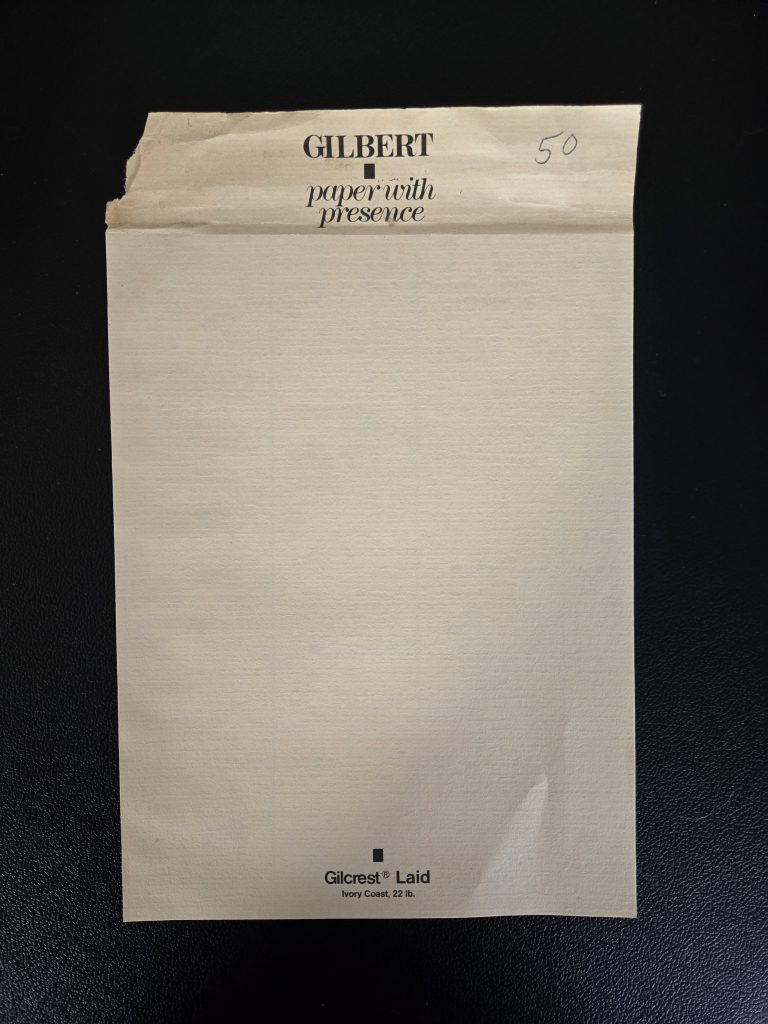
The first upsetting thing we found were bookmarks. I know we all use them, and if you read physical books, it’s practically a necessity. And how often do we use bookmarks and leave them in a book that we never go back to? And the bookmark sits there….and sits there…. for weeks, months, even years? This is what we encountered with some Civil War clothing ledgers. These were not bookmarks from the Civil War era, but some vintage likely 1970s or 1980s notepad sheets being used as bookmarks. No doubt a researcher had gone through the book and marked pages of interest, and then for unknown reasons, left them—for decades.

I have to admit I’ve done this myself with modern books I was using for researching when writing my books, and when I give programs, I’ll have passages in a copy of one of my books flagged with Post-it flags so that I can find them easily and read historic quotes to the audience. However, this is not something I have ever done with historic books and is not something that should be done with random scraps of paper. This month we found notepad sheets, and in the past, we’ve found newspaper scraps, and other random bits of paper. None of these paper bookmarks are acid-free and will damage the book if left inside. I would recommend simply writing down page numbers with a notation of why you’re saving it on a separate notepad for easy reference. If you do choose to leave pages marked, please use archival paper so that it does not damage the historic book you’re working with.
Light Damage: Ultra-Violet and Infra-Red
The second thing we found was UV and IR damage. This is something that I have harped on in previous posts. It basically boils down to: Light is bad. That’s it. Light is bad. Keeping historic objects, documents, and photographs in light is damaging. Period. The only way to safely do that is to mitigate the damaging UV and IR light assaulting those items. You can do this with UV light filters, using special lightbulbs, and rotating the items in your collection that are on display. LED light bulbs are quite common now and many believe that simply having LED lights makes them safe for historic documents. This is not the case. While LED lights do not emit damaging UV light rays that the older incandescent bulbs did, lower quality LEDs can emit high amounts of IR light which is just as damaging. If you have your collection in a room on exhibit, make sure you do your research on whether the lightbulbs in that room are archivally safe. Photographs and documents are some of the most sensitive to this type of damage, and that damage is irreversible. What compounds the issue, is that fading and yellowing is done over time, and you may not even notice the damage or color change until the text becomes unreadable (in the example we found this month), or the details in the photograph begin to fade away.
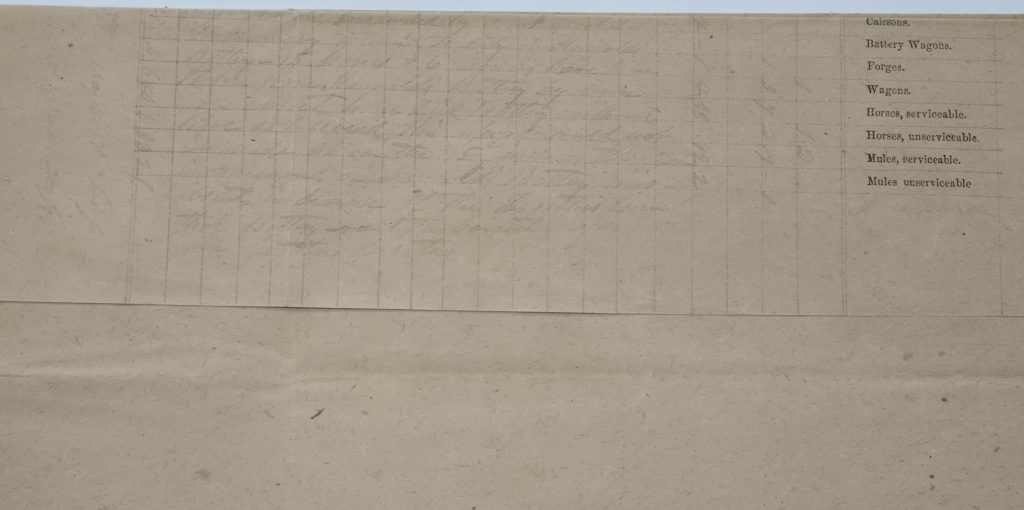
This is why you will see museums rotate items from exhibit. It’s not just to bring out new exhibits, it’s to let the artifacts and documents “rest.” They need a reprieve from constant light. And you will likely notice that most museums do not have windows in their exhibit galleries or collections rooms. Older museums, or museums in buildings not designed to be museums may have windows (historic homes, historic buildings, etc.), but modern museums built in the last few decades typically do not have windows or if they do they are UV filtered and blocked. The reason for this is that sunlight is one of the most damaging things for collections. Something else you may have noticed in some more modern museums is that they are rather dark. This isn’t just to be moody, it’s to protect objects from unnecessary light damage. This is the same reason that many museums do not allow flash photographs.
Be very aware of this if you are displaying your collection in a room with a window. You may have a wonderful archival exhibit case, but if there’s a window shining into that room (it does not have to shine directly on the case—that just accelerates the damage) it is not safe without light mitigation. Check your light bulbs to see if they are archivally safe and what spectrum of light they are emitting and keep the lights off as much as possible.
In summary, please don’t use bookmarks in historic books and please keep your historic documents out of the light. And then I won’t have to get angry.
For more information on light damage and how different types of light bulbs affect your collection, I suggest this blog post: https://conserv.io/blog/best-museum-light-bulbs-to-support-preventive-conservation
