
Juneteenth and the Civil War: The Long Road from Emancipation to Freedom
Juneteenth and the Civil War: The Long Road from Emancipation to Freedom
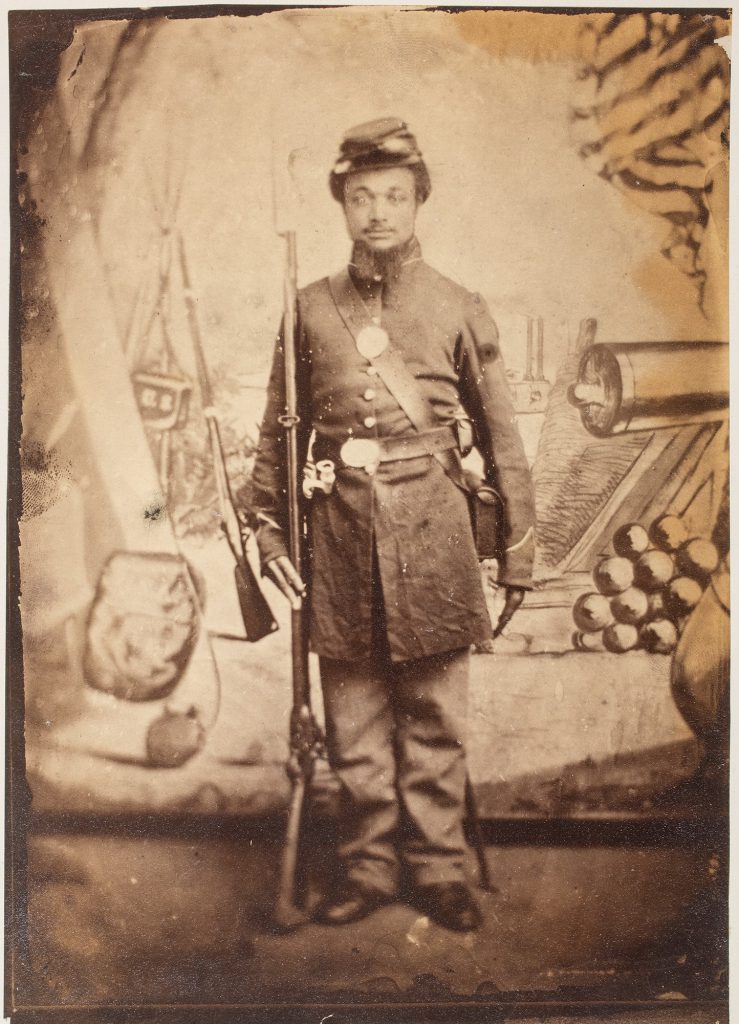
Every year on June 19, Americans commemorate Juneteenth, a holiday that marks one of the most important milestones in the history of the Civil War and the abolition of slavery in the United States. While many people know Juneteenth as the day enslaved people in Texas learned they were free, the story is deeply rooted in the Civil War itself. The holiday represents not only the end of slavery in Texas but also the culmination of years of military struggle, political change, and the efforts of hundreds of thousands of soldiers who fought to preserve the Union and destroy the institution of slavery.
Understanding Juneteenth requires looking back at the Civil War and the events that transformed the conflict from a war to preserve the Union into a war for freedom.
The Emancipation Proclamation Changes the War
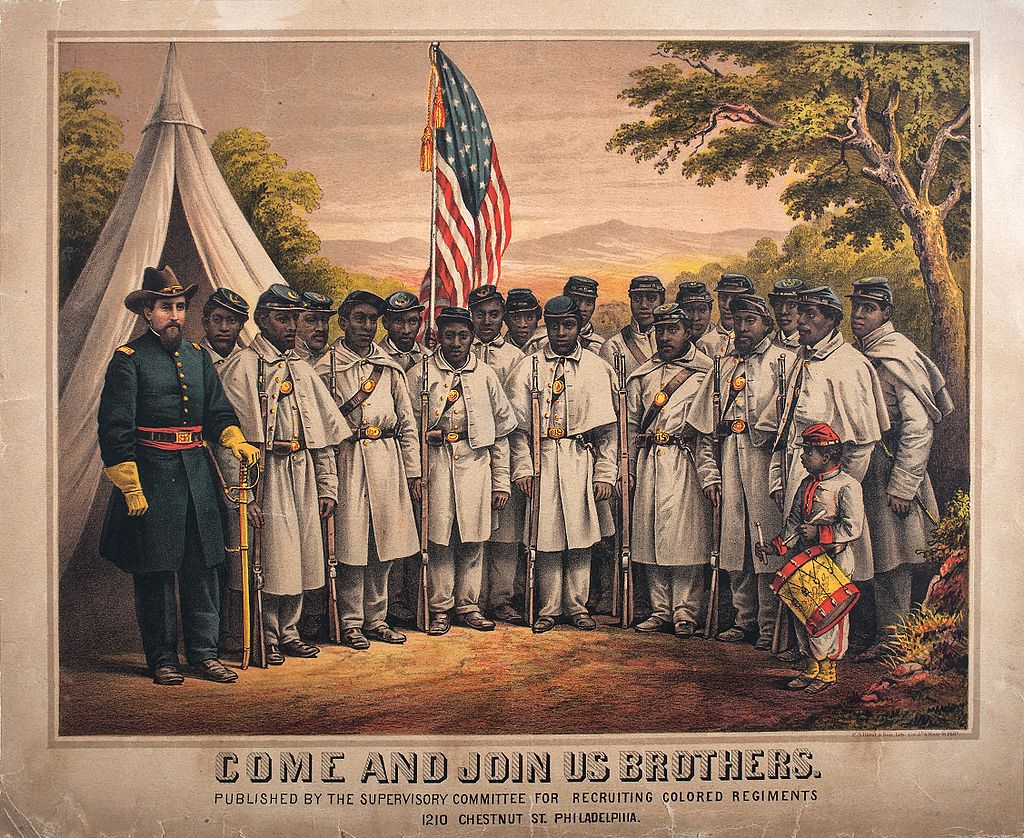
When the Civil War began in 1861, President Abraham Lincoln initially focused on preserving the Union. As the war continued, however, it became increasingly clear that slavery lay at the heart of the conflict. On January 1, 1863, Lincoln issued the Emancipation Proclamation, declaring that enslaved people in states actively rebelling against the United States “are, and henceforward shall be free.” Although the proclamation did not immediately free every enslaved person in the country, it fundamentally transformed the purpose of the war. It made emancipation a Union war aim and linked military victory with the destruction of slavery.
The proclamation also authorized the enlistment of Black men into the Union military. By the end of the war, nearly 200,000 Black soldiers and sailors had served in the Union armed forces. Their service strengthened the Union war effort while demonstrating the determination of African Americans to secure their own freedom. The participation of these troops helped ensure that emancipation would become a reality rather than simply a promise on paper.
Freedom Delayed in Texas
Although the Emancipation Proclamation was issued in 1863, its enforcement depended on the presence of Union military forces. In many areas of the Confederacy, enslavers continued to hold people in bondage as long as Confederate authorities remained in control. Texas, in particular, was geographically isolated and largely untouched by major Union military operations during much of the war.
As a result, thousands of enslaved people remained in bondage even after Lincoln’s proclamation. In fact, many enslavers from other Southern states moved to Texas during the war, bringing enslaved men, women, and children with them in hopes of avoiding Union armies and preserving slavery. Consequently, the enslaved population in Texas grew during the conflict, making the eventual arrival of Union forces even more significant.
The Confederacy officially collapsed in the spring of 1865. Robert E. Lee surrendered the Army of Northern Virginia in April, and Union victory was all but assured. Yet freedom still had not reached many enslaved Texans.
June 19, 1865: The Birth of Juneteenth
On June 19, 1865, Union Major General Gordon Granger arrived in Galveston, Texas, with federal troops. Upon his arrival, Granger issued General Order No. 3, announcing that all enslaved people in Texas were free. The order informed Texans that, in accordance with the proclamation of the President of the United States, “all slaves are free.” It further declared that the former relationship between enslavers and enslaved people would be replaced by that of employer and hired laborer.
For approximately 250,000 enslaved people in Texas, the announcement represented the long-awaited arrival of freedom. The moment was both joyous and life-changing. Families who had endured generations of bondage celebrated, prayed, gathered with loved ones, and began planning for new lives beyond slavery. Although significant challenges remained, June 19 became a symbol of liberation and hope.
The U.S. Army’s Role in Enforcing Freedom
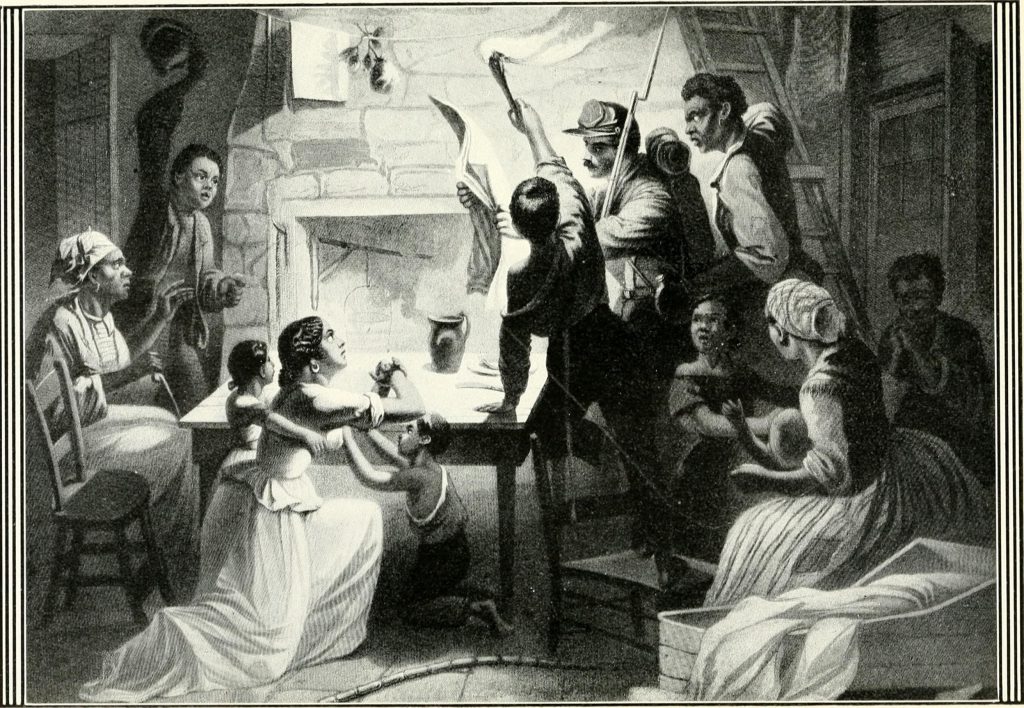
The connection between Juneteenth and the Civil War is inseparable from the role played by the United States Army. Freedom did not arrive in Texas simply because a proclamation had been issued two years earlier. It arrived because Union soldiers carried federal authority into the former Confederacy and enforced emancipation.
The Army became the instrument through which the promises of the Emancipation Proclamation were realized. Union troops occupied former Confederate territory, protected newly freed people, and ensured that federal law was recognized. The arrival of General Granger and his soldiers in Galveston demonstrated that the Union victory was not merely military—it was also a victory for emancipation. Without the presence of federal troops, many enslavers would have continued resisting the end of slavery for as long as possible. Juneteenth therefore stands as a reminder that military victory and freedom became closely intertwined during the final years of the Civil War.
From Local Celebration to National Holiday
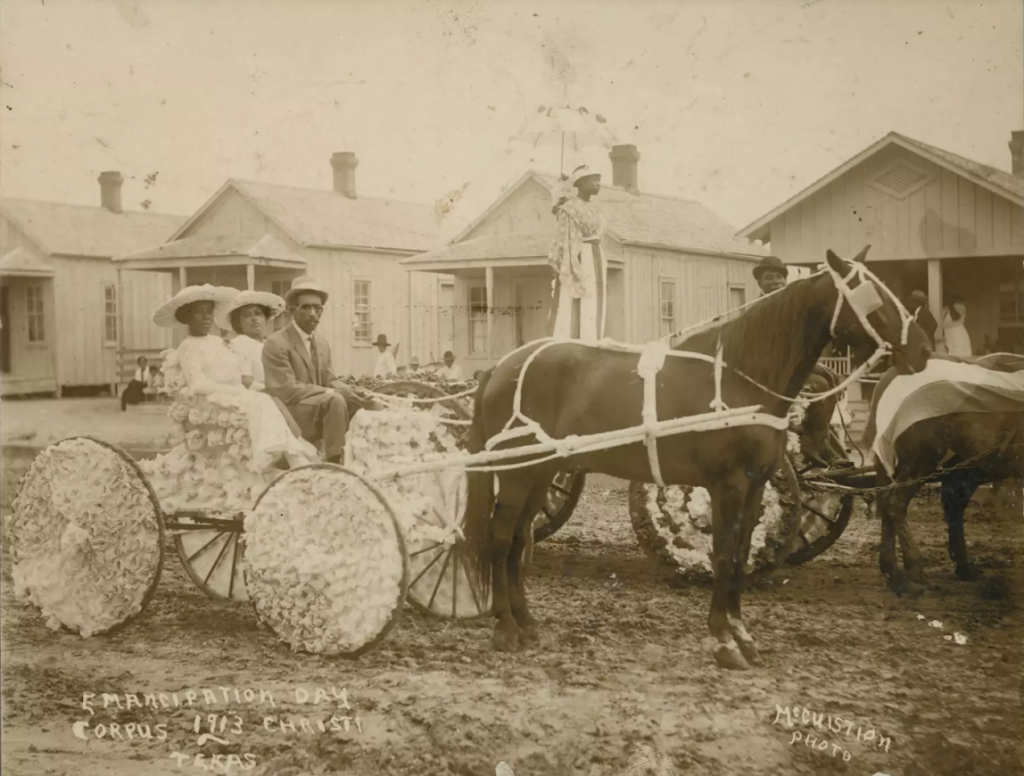
Courtesy DeGolyer Library, Southern Methodist University.
The first Juneteenth celebrations began almost immediately after June 19, 1865. Formerly enslaved communities in Texas gathered annually for prayer services, family reunions, educational events, and public readings of the Emancipation Proclamation. These celebrations preserved the memory of emancipation and helped pass the story from one generation to the next.
As African Americans migrated from Texas to other parts of the country, they carried Juneteenth traditions with them. Over time, the holiday spread beyond Texas and gained wider recognition. What began as a local observance eventually became a nationwide commemoration of freedom, resilience, and the long struggle for civil rights. In 2021, Juneteenth was officially recognized as a federal holiday in the United States, ensuring that the story of emancipation and its connection to the Civil War would be remembered by future generations.
Remembering the Legacy of Juneteenth
Juneteenth is often described as America’s second Independence Day because it commemorates the fulfillment of freedom for those who had been denied it for generations. Yet the holiday also serves as a reminder that emancipation was not a single event. Freedom arrived at different times in different places, often following the advance of Union armies during the Civil War.
The story of Juneteenth connects directly to some of the war’s most significant developments: Lincoln’s Emancipation Proclamation, the service of Black soldiers, the defeat of the Confederacy, and the enforcement of federal authority across the South. It reminds us that the Civil War was not only a struggle to preserve the Union but also a transformative conflict that ended slavery and reshaped the nation. Every Juneteenth, Americans commemorate the moment when the promise of emancipation finally reached Texas, while also honoring the millions whose lives were forever changed by the war that made freedom possible.
Additional Reading and Bibliography
To look up USCT and the service of Black soldiers in the Civil War, visit the Research Arsenal Libraries page, select “View All” and then filter by “USCT Infantry,” “USCT Artillery,” or “USCT Cavalry.” You’ll find a variety of letters, records and even photographs.
National Archives Museum. “The Emancipation Proclamation and Juneteenth.” National Archives and Records Administration. Accessed June 15, 2026. https://visit.archives.gov/whats-on/explore-exhibits/emancipation-proclamation-and-juneteenth
National Museum of the United States Army. “Juneteenth and the U.S. Army.” Accessed June 15, 2026. https://www.thenmusa.org/articles/juneteenth-and-the-u-s-army/
National Museum of African American History and Culture. “The Historical Legacy of Juneteenth.” Smithsonian Institution. Accessed June 15, 2026. https://nmaahc.si.edu/explore/stories/historical-legacy-juneteenth
