
RG 94 Spotlight: The 29th Ohio Infantry
The Research Arsenal is proud to be digitizing and adding historical records of Civil War regiments held at the National Archives to our online database so that researchers and historians can access material that previously required a trip to Washington D.C. The 29th Ohio Infantry is one of the many regiments that has been added to our database.
The 29th Ohio Infantry: Voices from “Giddings’ Regiment”
The story of the 29th Ohio Infantry is best told not through summaries of battles, but through the words of the men who lived them. Organized in 1861 in northeastern Ohio, the regiment would serve in both eastern and western theaters, fighting from the Shenandoah Valley to Sherman’s March.
“Giddings’ Regiment”: Reputation and Risk
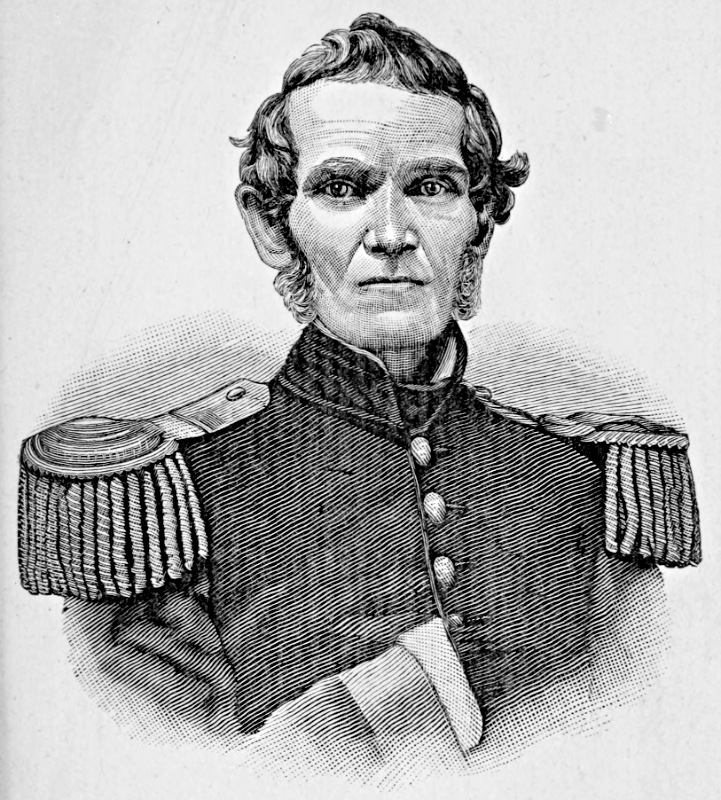
From its earliest days, the 29th Ohio carried a political identity. Raised largely within the district of abolitionist congressman Joshua R. Giddings, the regiment quickly became known by his name.
The regimental history explains both the pride and the danger attached to that identity:
“The Twenty-ninth Regiment was known as the ‘Giddings Regiment,’ having been recruited almost entirely within the bounds of his old Congressional District, and many of the officers and men had long been his personal friends. This fact gave to the regiment a certain notoriety from the beginning.”
But that notoriety came with fear—particularly if captured:
“It was often remarked in the early history of the regiment, that should any member of it be taken prisoner and his identity become known, he would be likely to receive but little mercy at the hands of the enemy; that he would be regarded not only as a common soldier, but as an Abolitionist fanatic, and especially hunted down and exterminated.”
Before the regiment had even proven itself in battle, its men understood that their cause—and their reputation—might mark them for harsher treatment.
Baptism in Campaign: Illness, Marching, and Reality
Like many regiments, the 29th Ohio’s first enemy was not Confederate fire, but disease and exhaustion.
As they prepared for early movements in 1862, the toll was immediate:
“About fifty-five men were left behind in camp sick, most of them suffering from measles… It was a severe trial to those who were compelled to remain, as the regiment moved away to meet the enemy, while they were left helpless in their tents.”
The emotional strain of absence is striking—these men feared missing the fight just as much as others feared entering it.
Camp Humor and Discipline
Even in hardship, humor and identity shaped daily life. One oft-repeated moment in the regiment reveals both discipline and wit during a march:
“Let there be no straggling on this march. Keep closed up and preserve your distance. But if any man does fall out by the way, let him take off the number ‘Twenty-ninth’ from his cap, and when he reaches camp put on ‘One Hundred and Tenth Pennsylvania.’”
The joke carried a sharp edge: straggling was shameful—but the way it was enforced relied as much on pride as punishment.
The Emotional Weight of Soldiering
The regimental history frequently pauses to reflect—not just recount events. One passage captures the emotional bond forged through shared hardship:
“The eye will moisten, and the heart swell with emotions of no ordinary character, as he is reminded, by some familiar name or incident, of the camp, the march, and the battle; of the companions who shared his toils and dangers, and who now sleep in unknown graves, or linger with shattered constitutions, the wrecks of what were once strong men.”
This is not written in the immediacy of battle—but in memory. It shows how deeply the experience lingered long after the war.
Antietam to Gettysburg: Endurance Under Fire
The 29th Ohio fought through the Army of the Potomac’s hardest campaigns—Antietam, Chancellorsville, and Gettysburg among them.
But rather than glorify combat, the regimental voice often emphasizes the anonymity of sacrifice:
“Many a brave man has fallen in this contest whose name will never be known beyond the narrow circle of his immediate friends. Their individual deeds of daring and patriotism will never be recorded… and yet they may have loved their country as well, and periled their lives as freely, as those whose names have been emblazoned in history.”
This quiet acknowledgment stands in contrast to official reports—it is the perspective of soldiers who saw how easily courage could go unrecorded.
Western Campaigns and National Recognition
Transferred west, the 29th Ohio participated in the Chattanooga and Atlanta campaigns, and ultimately in Sherman’s March.
Recognition came at the highest levels. The regimental history preserves a portion of General William T. Sherman’s praise:
“The officers and soldiers of the Army of the Tennessee have already received the thanks of the Nation… and it now only remains for me to thank you in person for the gallantry, endurance, and soldierly conduct which you have displayed in this campaign.”
Such words carried weight—but the men themselves often measured their service differently: in survival, in endurance, and in the memory of those lost.
The March Through the South
As the regiment moved through Georgia and the Carolinas, the tone of the war shifted. The end was approaching—but the strain remained constant.
The cumulative experience of years of campaigning shaped how veterans later reflected on their service:
“Four years of active service had wrought a wonderful change in the appearance and character of the men. The light-hearted boy had become the thoughtful, earnest man; the careless and indifferent had learned lessons of responsibility and duty which could never be forgotten.”
War had not just tested them—it had remade them.
Memory and Obscurity
One passage stands as a kind of quiet epitaph for the rank and file:
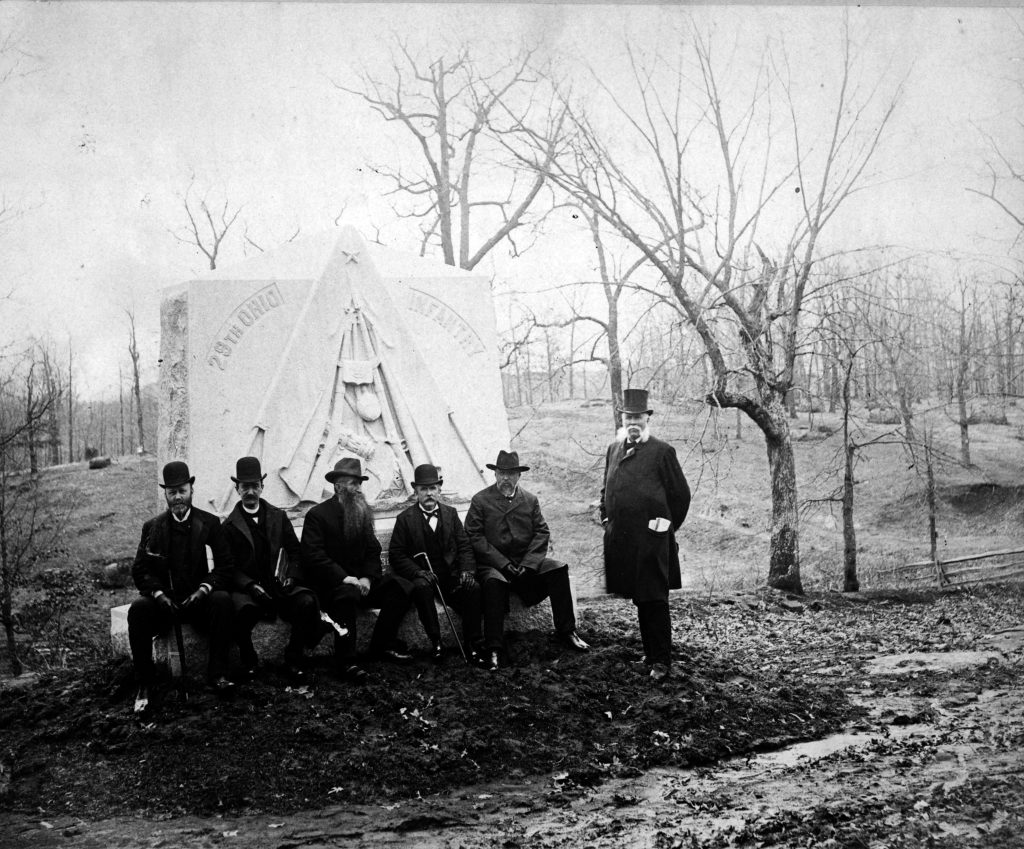
“No monument may mark the spot where they sleep; no friendly hand may ever plant a flower upon their graves; but their memory will live in the hearts of those who knew them, and in the history of the country for which they died.”
This is the essence of regimental history—not just recording movements and engagements, but preserving memory against disappearance.
Sources
The Research Arsenal is proud to hold 1,823 digital scans of the 29th Ohio Infantry’s regimental records on its database. These consist of nearly 1800 pages of material from the National Archives Records Group 94 files. These include Regimental Descriptive books, Letter books, Morning Reports, and more. Visit the Research Arsenal, click on “Search NARA Records” then select “RG94” and “29th Ohio Infantry” from the drop-down menus. In addition, the Research Arsenal contains photographs, letters, and other forms and documents relating to the 29th Ohio Infantry.
- Journal History of the Twenty-Ninth Ohio Veteran Volunteers (Public Domain)
https://www.gutenberg.org/files/65589/65589-h/65589-h.htm - 29th Ohio Infantry – Civil War in the East
https://civilwarintheeast.com/us-regiments-batteries/ohio/29th-ohio-infantry/ - “Soldiers Across the Centuries” – Capturing Conneaut History
https://capturingconneauthistory.com/2023/03/16/soldiers-across-the-centuries/ - 29th Ohio Infantry Regiment – Wikipedia
https://en.wikipedia.org/wiki/29th_Ohio_Infantry_Regiment
